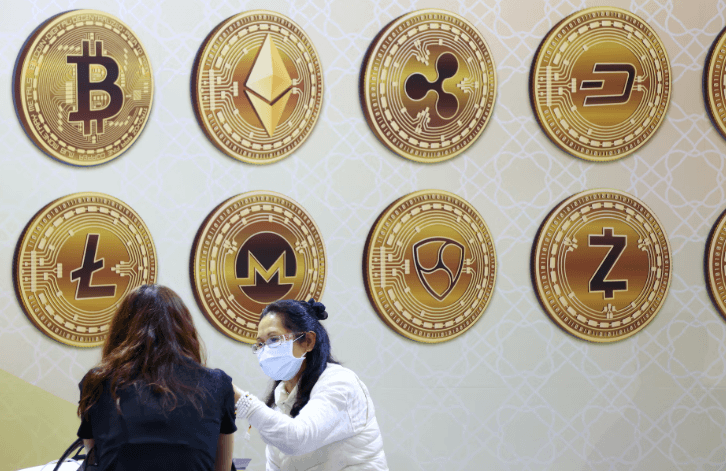
Spotting fake crypto giveaways requires a methodical approach. The discussion centers on early warning signs, source verification, and reward realism. Data points matter: promises of large returns, urgency, and unverifiable domains raise red flags. Professionals insist on cross-checks, issuer identity, and independent data. Skeptical testing remains essential, with safety checks and documentation. If indicators accumulate, one must isolate sources and prepare a cautious report, keeping stakes clear and motives transparent while the next steps remain to be considered.
Spot the Early Warning Signs of Fake Giveaways
One clear way to recognize fake crypto giveaways is by identifying a pattern of early warning signs that consistently emerge across scams. Data indicates multiple instances share abrupt promises, unrealistic rewards, and pressure to act. The analysis emphasizes caution, documenting fake scams and phishing warnings. Observers note inconsistent sources, unverifiable wallets, and requests for private data, undermining legitimate security and freedom.
Verify the Source, Links, and Rewards
To reduce risk, the source, links, and rewards behind a crypto giveaway must be verified with disciplined diligence: confirm the issuer’s identity, cross-check domain provenance, and scrutinize reward claims against independent data. This approach emphasizes verify source, verify links, and rewards verification, presenting cautious, data-driven conclusions about legitimacy while maintaining respect for user autonomy and freedom to choose informed participation.
Test Your Skepticism: Safety Checks You Can Do Now
A practical continuation from verifying sources, links, and rewards is to apply immediate safety checks that any reader can perform without additional tools. The approach remains data-driven and cautious, evaluating claims against baseline patterns and prior incidents.
Emphasizing cryptocurrency ethics and scam education, scrutiny focuses on timing, provenance, and payout legitimacy, guiding readers toward freedom through disciplined skepticism.
What to Do If You Suspect a Scam and How to Report It
If suspicion arises for a crypto giveaway, the prudent course is to document the indicators, isolate the source, and initiate established reporting avenues before engaging further. This approach emphasizes verifiable data, not emotion.
What to do includes logging timestamps, screenshots, and wallet activity.
How to report involves alerting platform security, regulatory bodies, and trusted communities to prevent exploitation.
Frequently Asked Questions
Can Real Giveaways Ever Require Upfront Payment or Fees?
Real giveaways should never require upfront payment; legitimate promotions do not solicit fees. The analyst notes numerous real scams and fake red flags, emphasizing caution. Data-driven findings show monetization schemes exploit trust, undermining freedom with covert charges.
Do Legitimate Projects Ever Use Random Social Posts to Announce Winnings?
According to industry data, legitimate projects rarely rely on random social posts to announce winnings. They rely on verifiable channels. They exhibit authentic indicators and avoid scam red flags, ensuring transparency for an audience seeking freedom.
Are Celebrities or Influencers Ever Directly Handing Out Crypto Giveaways?
The answer: Celebrity scams occasionally involve influencers directly distributing crypto giveaways, but such acts are rare and scrutinized. Investigators warn wallet malware risks, urging audiences to verify provenance; enthusiasts seeking freedom should demand transparent, verifiable mechanisms and independent audits.
How Can I Verify a Giveaway’s Chain and Contract Details Quickly?
A striking 68% of scams exploit mismatched chain IDs. To verify contract source and verify chain ID quickly, the approach remains cautious: cross-check on official explorers, audit notes, and signer activity; avoid trusting unsigned metadata or random links.
See also: Shane Guidry Net Worth Career Business and Wealth
What Legal Protections Exist for Crypto Giveaway Participants?
The analysis shows legal protections exist through securities and consumer laws, with regulatory oversight varying by jurisdiction. Participants should scrutinize terms; entities must disclose risks. In a freedom-oriented frame, observers emphasize robust enforcement and transparent complaint channels.
Conclusion
Conclusion:
In examining fake crypto giveaways, the data rarely lies: promises balloon, sources falter, and timing clashes with verifiable norms. A disciplined, methodical approach—confirming issuer identity, tracing provenance, and contrasting rewards with independent benchmarks—exposes inconsistencies like weak footprints in an otherwise quiet digital ledger. Thus, caution becomes a compass. By documenting indicators and maintaining skepticism, investigators cut through noise; the outcome, a clearer map of risk, pointing away from deception toward verified, actionable insight. (Metaphor: warning flags as beacons in a fog)
